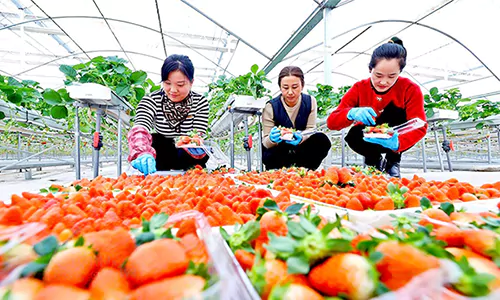

Mulch film is a wellestablished and widely used agronomic practice in crop farming.
Yet many growers overlook one key point:
Clear film, black film, and silverblack twotone film deliver very different results in temperature control, weed suppression and pest control.
Picking the wrong type or laying it poorly will not boost yields. It may even delay harvest and cut your farm income.
Drawing on real field cases, this guide compares the traits and functions of common mulch films, points out frequent mistakes, and shares practical rules for selecting and using mulch film properly.
Mulch film is widely adopted in modern agriculture.
Correct mulching regulates soil temperature, locks in moisture and nutrients, and cuts labour costs. When managed well, it also improves soil health, suppresses weeds, lowers canopy humidity, reduces disease pressure, adjusts crop growth cycles, improves produce quality, strengthens disaster resistance and stabilises yields.
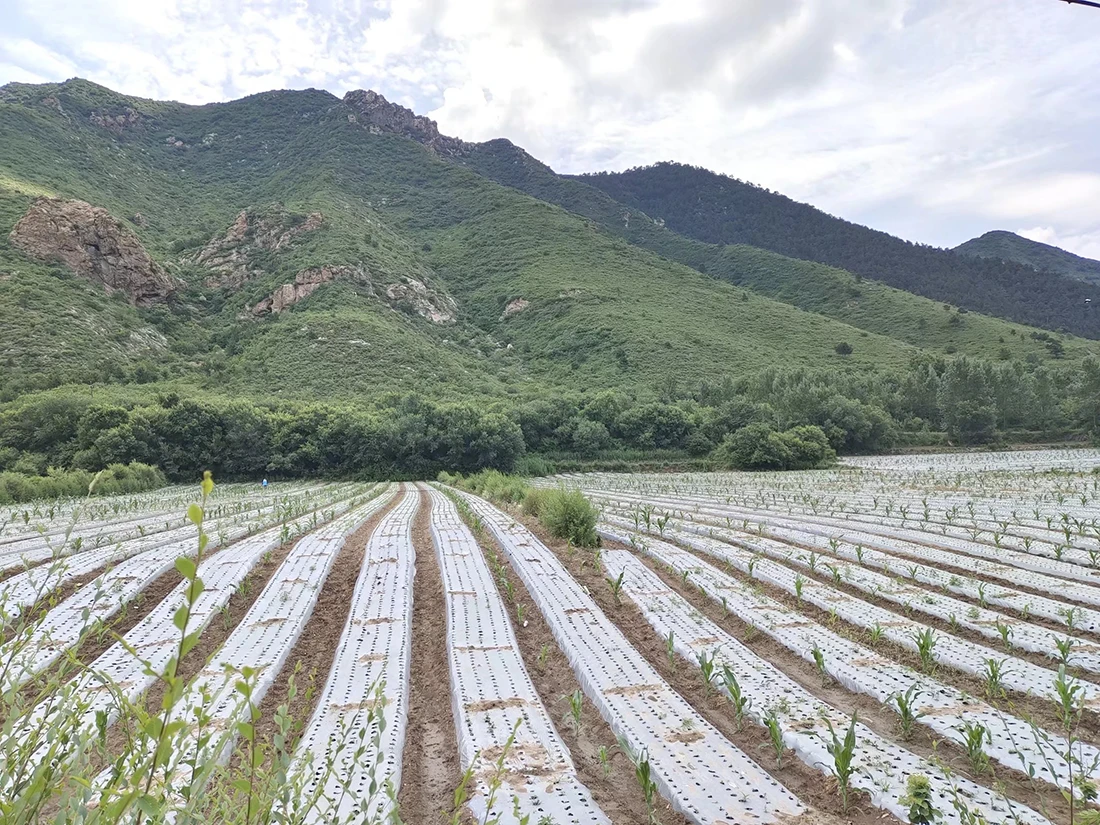
A realworld loss from poor film selection:
One earlyseason melon greenhouse in Henan, China, ran into trouble with mulch film choice.
The farm used silverblack twotone film for early spring melons. This film heats the soil slowly. Soil temperatures stayed 3–5°C cooler than under clear or black mulch. Melon seedling growth slowed down, pushing harvest back by 3–5 days and hurting profits.
Below we break down the features, best uses and key notes for each mulch film type.
1. Three main types of mulch film for greenhouse fruits and vegetables
The three dominant options for protected horticulture are clear transparent film, black film, and silverblack twotone film.
1.1 Clear transparent mulch film
It can reach up to 90% light transmittance and thermal radiation, with mild reflection and fast soil warming.
Its downsides are obvious. Strong sunlight can scorch young seedlings. Weeds easily sprout under the film, creating heavy weeding work. It fits many cropping systems. If you choose clear film, always pair it with a preemergent weed control plan.
1.2 Black mulch film
Low light penetration means steady heat absorption and gradual soil warming. It offers excellent weed suppression.
It works best for growers whose top priorities are weed control and moderate soil moisture reduction.
1.3 Silverblack twotone mulch film
Light passes through poorly. The silver top layer reflects sunlight, so soil temperature rises slowly. It also suppresses weeds.
The reflective silver side repels aphids, whiteflies and other pests. Laid in hot summer and autumn months, it helps cool the soil.
2. Seven core benefits of mulch film
2.1 Soil temperature regulation
The warming effect shifts with seasons.
In cool winter and spring, mulch raises topsoil temperature by 3–5°C. This helps seeds emerge faster and roots establish sooner.
In hot summer and autumn, the film blocks direct intense sun and stops extreme heat from burning root systems.
Simply put, mulch acts as a buffer for soil: it retains heat in cold weather and prevents overheating in hot weather.
2.2 Better fertiliser efficiency
Mulch shields fertiliser from sun degradation and rain runoff.
Stable soil temperature and moisture help roots take up nutrients.
It also supports soil microbes, speeds organic matter breakdown and releases available nutrients to maximise fertiliser performance.
2.3 Soil improvement and reduced salt accumulation
As soil moisture rises and evaporates, mulch traps water near the surface. This stops salts from building up on the topsoil and eases salinisation.
Mulched soil stays looser. It holds more oxygen after rain than bare ground, favouring root growth. It also protects soil structure by reducing rain splash and compaction.
2.4 Moisture retention, lower humidity and fewer diseases
Mulch slows soil water loss, cuts irrigation frequency and saves water.
Lower air humidity inside the crop canopy reduces outbreaks of humiditytriggered diseases. It saves water while supporting disease management.
2.5 Reflected light for stronger photosynthesis
The silver side of silverblack film bounces light to the lower and middle plant canopy. It improves overall light distribution.
Longer effective photosynthesis helps crops build more organic matter.
2.6 Less labour and extra pest protection
Mulch smothers weeds and drastically cuts weeding hours. Silver film repels aphids, which means fewer aphidtransmitted viral diseases. You spend less on labour and pesticide applications.
2.7 Stable and higher farm returns
Mulch creates a better growing environment for roots and plants. It speeds development and pushes fruit maturity earlier.
It is especially valuable for boosting early yields in winter and spring crops. Higher yield and better quality together lift total farm revenue.
3. Five common mulching mistakes and correct practices
Mistake 1: Wrong mulching timing slows seedling growth
Film type and laying time for melon and vegetable greenhouses must match air and soil temperature.
For autumn plantings, temperatures are high at transplanting. Immediate mulching traps excess heat and burns roots. High humidity under the film also encourages roots to stay shallow instead of growing deep, making weak plants.
✅ Good practice:
For autumn crops with silverblack film, wait roughly 15 days after transplanting before mulching. This gives seedlings time to grow deep, strong roots.
Mistake 2: Mismatched film type for the growing season
Early spring plantings start with low air and soil temperatures. Clear or black film is usually preferred for fast warming to trigger early germination and rooting.
Silverblack film can work for grafted earlyseason melons. Grafted seedlings have robust root systems and vigorous growth; they do not need very high early soil temperatures, so the film gently slows excessive vegetative growth. Later in the cycle, when dense foliage blocks sunlight between rows, the silver surface shines: it adds reflected light and repels pests to lift quality and yield.
Mistake 3: Film pressed tight against stems causes plant death
Many growers seal mulch tightly around stems to block weeds easily.
Film touching the stem base creates poor airflow and constant dampness. It also causes sunscald and abrasion wounds. These are major triggers for root rot, stem base rot and gummy stem blight. In severe cases, whole sections of the crop die off.
✅ Good practice:
Do not let the film touch stems directly. Tear openings by hand whenever possible; avoid sharp blades. Keep each opening 5–8 cm wide to stop the film shrinking back onto the seedling. On hot days, lift both film edges to release heat, then lay them back after cooling. You can also use grafting clips to hold film away from stems.
Mistake 4: Full ground contact across the whole greenhouse suffocates roots
Some growers cover every bed and walkway with continuous mulch.
Foot traffic compresses film on walkways. After watering, mulch on planting beds presses against soil and seals air pores. Roots struggle to breathe, and plants weaken over time.
✅ Good practice:
Elevate mulch over planting rows with wire or bamboo stakes. Place supports every 50 cm and water under the film. Raised mulch keeps moisture in while letting soil breathe. Leave walkways uncovered; use straw mulch instead to regulate temperature and humidity.
Mistake 5: Mulch only on walkways, bare planting rows
Other growers do the opposite: they lay film only on walkways and leave planting rows bare.
The biggest benefits of mulch — warming, humidity control, weed suppression and disease control — matter most on planting rows. Most irrigation targets planting rows. Bare planting rows defeat nearly all key functions of mulch. Continuous mulch on walkways also reduces air exchange and indirectly stresses roots.
Choose the right mulch film and apply it correctly to raise your yield and profit.